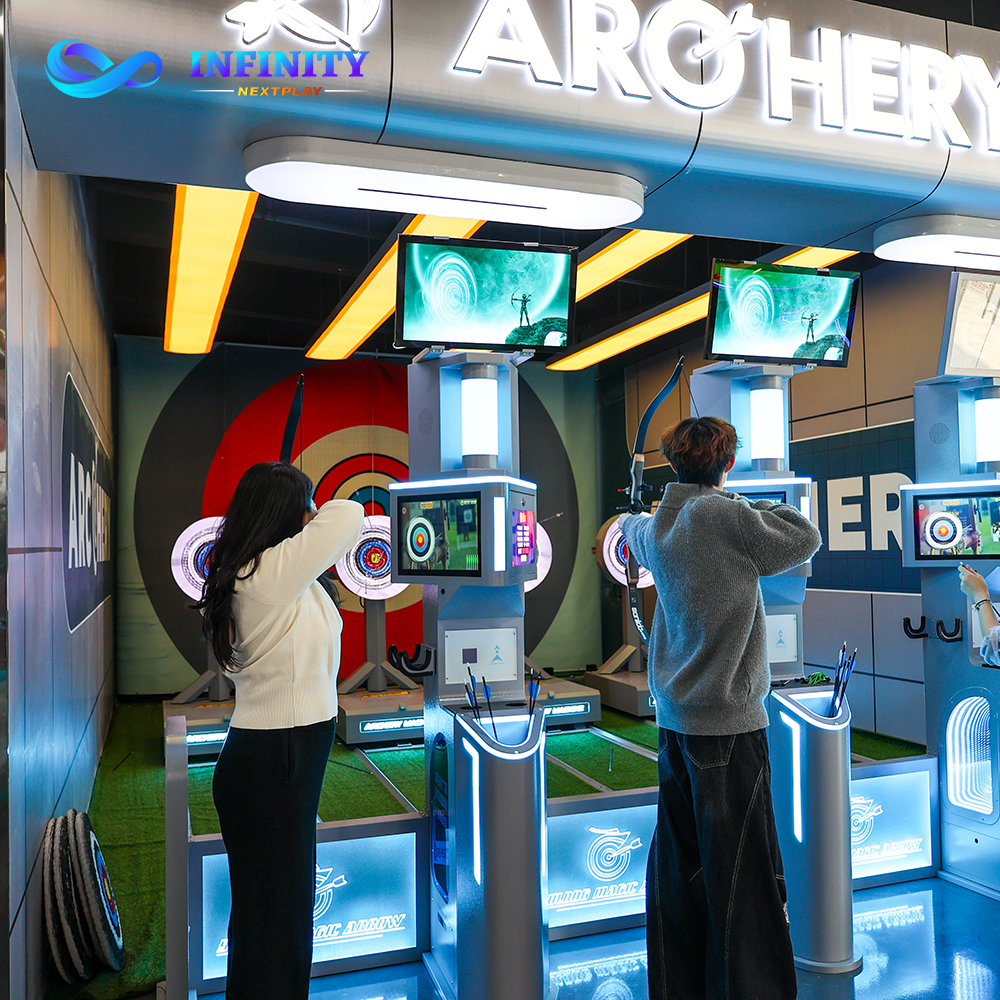
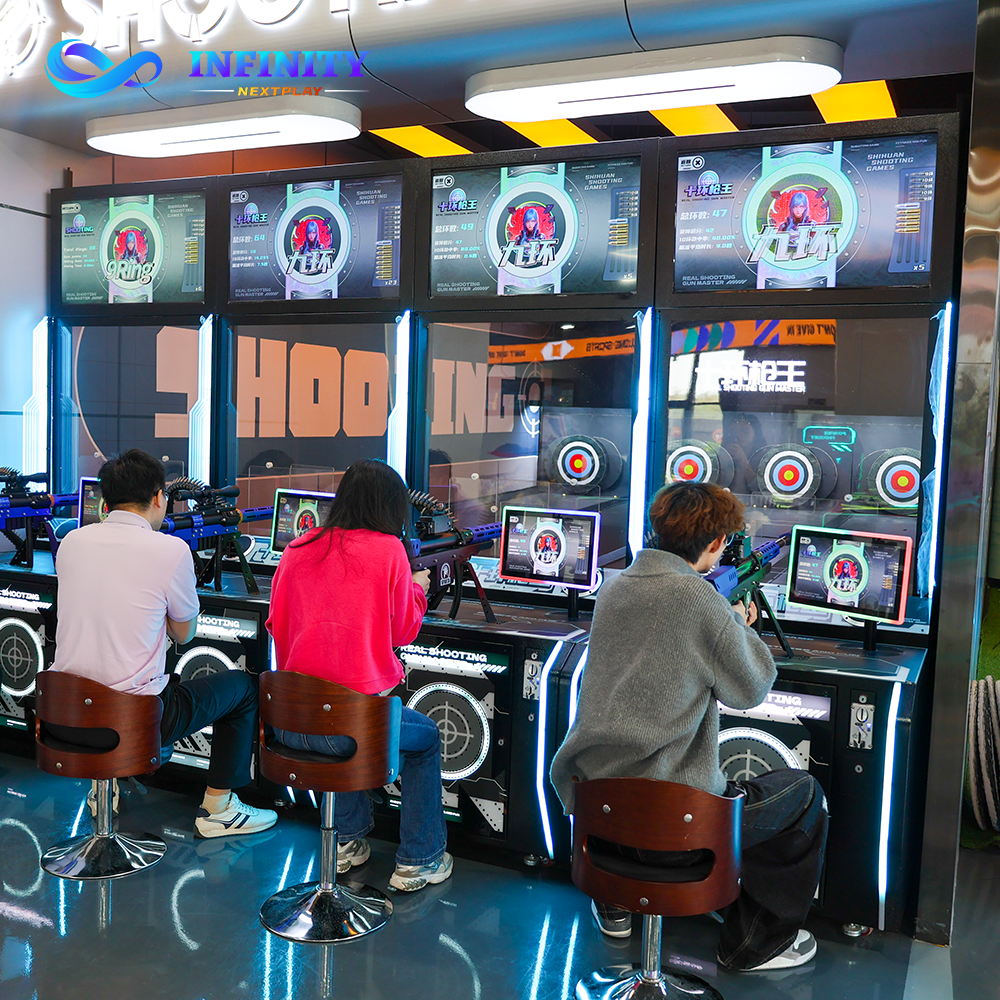
The adult archery question starts with what the adults want after the workday, and the want is the decompression, the social proof and the skill. The after-work psychology is the first layer: the adult leaves the office with the stress and the screen fatigue, the archery brings the physical motion, the instant feedback and the clear win, and the loop of the aim, the release and the score resets the attention in the minutes, so the archery is the decompression the adult needs; the psychology is the pull. The social proof is the second layer: the adult group plays for the comparison, the score against the colleagues and the bragging rights, and the leaderboard that shows the names turns the play into the social currency, so the visible competition is the engagement driver; the social proof is the hook. The skill curve is the third layer: the archery is easy to try and hard to master, the first arrow lands and the tenth arrow improves, and the measurable improvement is the reason the adult comes back to beat the own score, so the skill curve is the retention engine; the curve is the repeat hook. The adult mix is the result: the interactive archery attracts the adult groups because it is not the kids game and not the passive screen, it is the social skill sport that fits the after-work hours, and the venue that runs the adult sessions fills the weekday evenings; the mix is the fit.
The evening is the adult window: the 6 to 10 pm block draws the office crowd, the after-dinner block draws the couples and the weekend daytime draws the mixed groups, and the venue that programs the sessions to the adult clock fills the hours the kids venues leave empty.
| Adult Pull | Layer | Drives |
|---|---|---|
| Decompression | Motion + instant feedback | Attention reset |
| Social proof | Scores + leaderboard | Bragging rights |
| Skill curve | Easy to try, hard to master | Repeat play |
| Evening window | 6-10 pm adult hours | Weekday fill |
The office group is the highest-value adult segment, and the team night becomes the habit through the format, the stakes and the ritual. The team format is the first element: the office group of the 4 to 8 plays the head-to-head or the team rounds, the Digital Archery Simulator A4 scores every arrow and the format keeps the whole group playing instead of watching, so the group format is the participation engine; the format is the inclusion. The stakes are the second element: the office team plays for the team trophy, the monthly champion and the bragging rights until the next visit, and the stakes that are social rather than financial keep the group competitive without the pressure, so the stakes are the repeat trigger; the stakes are the return hook. The ritual is the third element: the team night repeats on the fixed evening, the reserved lanes and the standing orders become the ritual and the ritual turns the team night into the calendar appointment, so the ritual is the habit builder; the ritual is the retention. The employer angle is the fourth element: the companies book the team-building nights for the bonding and the morale, the Digital Scoring Shooting Simulator Q4 and the archery leaderboard add the friendly competition and the corporate booking fills the large blocks, so the employer channel is the volume multiplier; the employer is the growth lever.
| Office Group | Element | Builds |
|---|---|---|
| Team format | 4-8 players, rounds | Participation |
| Social stakes | Trophy + champion | Return trigger |
| Fixed ritual | Same evening each week | Habit |
| Employer channel | Team-building bookings | Volume |
The league hook turns the casual adult play into the weekly booking, and the league runs on the brackets, the rankings and the season. The league format is the first element: the 8 to 16 adult archers register for the league, the weekly rounds rank the scores and the season ends with the playoffs, so the league gives the casual player the reason to show up every week; the format is the commitment. The ranking is the second element: the Digital Archery Simulator A4 and the Digital Scoring Shooting Simulator Q4 publish the live leaderboard, the names and the scores are visible to the whole venue and the visible ranking drives the players to protect their position, so the ranking is the daily motivator; the ranking is the engagement. The season is the third element: the 6 to 8 week season with the finals night gives the arc, the finals become the venue event and the season calendar aligns with the membership cycle, so the season is the retention architecture; the season is the arc. The league economics are the fourth element: the league entry fee, the weekly play fee and the finals event lift the per-player spend, the league night fills the otherwise quiet weekday and the league members bring the friends who join the next season, so the league is the revenue engine; the league is the business case.
| League Hook | Element | Role |
|---|---|---|
| League format | 8-16 players, weekly rounds | Commitment |
| Live ranking | Leaderboard visible | Engagement |
| Season arc | 6-8 weeks + finals | Retention |
| League economics | Entry + weekly + finals | Revenue |
The attention hold is what turns the first visit into the habit, and the hold comes from the progression, the variety and the community. The progression is the first hold: the adult improves the score week to week, the Digital Archery Simulator A4 saves the personal best and the saved history shows the improvement, so the progression is the measurable reason to return; the progression is the self-competition. The variety is the second hold: the archery, the shooting and the Custom Interactive Sportainment Equipment games rotate the challenge, the different games suit the different moods and the variety keeps the evening from the repetition, so the variety is the freshness; the variety is the change. The community is the third hold: the regulars know each other by name, the leaderboard shows the familiar rivals and the venue becomes the third place beyond the home and the office, so the community is the emotional anchor; the community is the belonging. The events are the fourth hold: the monthly tournament, the seasonal finals and the themed nights give the calendar the peaks, the peaks pull the lapsed players back and the event calendar is the marketing engine, so the events are the re-engagement; the events are the spikes.
| Attention Hold | Hold | Keeps |
|---|---|---|
| Progression | Personal best saved | Self-competition |
| Variety | Multiple games | Freshness |
| Community | Regulars + rivals | Belonging |
| Events | Tournaments + finals | Re-engagement |
Yes: the archery fits the after-work adult psychology of the decompression, the social proof and the skill curve. The evening sessions draw the office crowd, and the league and the leaderboard turn the play into the repeat habit.
The progression, the variety, the community and the events: the personal best that improves, the multiple games that rotate, the regulars who become the rivals and the tournament calendar that spikes the re-engagement.
The fixed weekly evening with the team format: the 4-8 players play the head-to-head or the team rounds, the social stakes of the trophy and the champion drive the return and the employer team-building channel adds the volume.
The 8-16 player league with the weekly rounds, the live leaderboard and the 6-8 week season with the finals night: the ranking gives the daily motivation, the season gives the arc and the finals become the venue event.
The 4-8 players is the sweet spot: the group fills the team format without the long wait, the scores compare across the small field and the league registers the 8-16 for the full bracket.
The adult session lifts the spend through the play fee, the league entry, the food and the drink: the 2-3 hour session with the rounds and the social breaks spends well above the casual play, and the league economics compound the revenue.
The interactive archery attracts the adult groups because it fits the after-work want: the decompression, the social proof, the skill curve and the evening window. The office group turns the team night into the habit, the league turns the competition into the weekly booking and the attention holds turn the first visit into the third place, so the archery venue fills the weekday evenings the kids venues leave empty.
The Digital Archery Simulator A4 is the skill hook, the Digital Scoring Shooting Simulator Q4 is the competition hook and the Custom Interactive Sportainment Equipment is the variety hook. The next step is the adult kit: ask NextPlay for the after-work session plan, the office league format and the leaderboard setup for your venue.
Ask NextPlay for the adult attraction kit: the after-work session plan, the office league format and the leaderboard setup for the Digital Archery Simulator A4, the Digital Scoring Shooting Simulator Q4 and the Custom Interactive Sportainment Equipment.