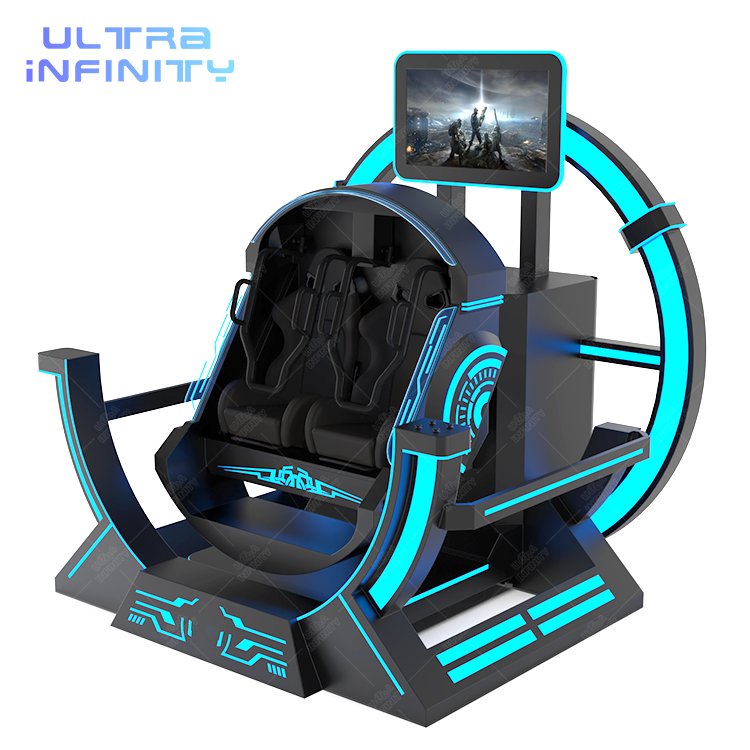
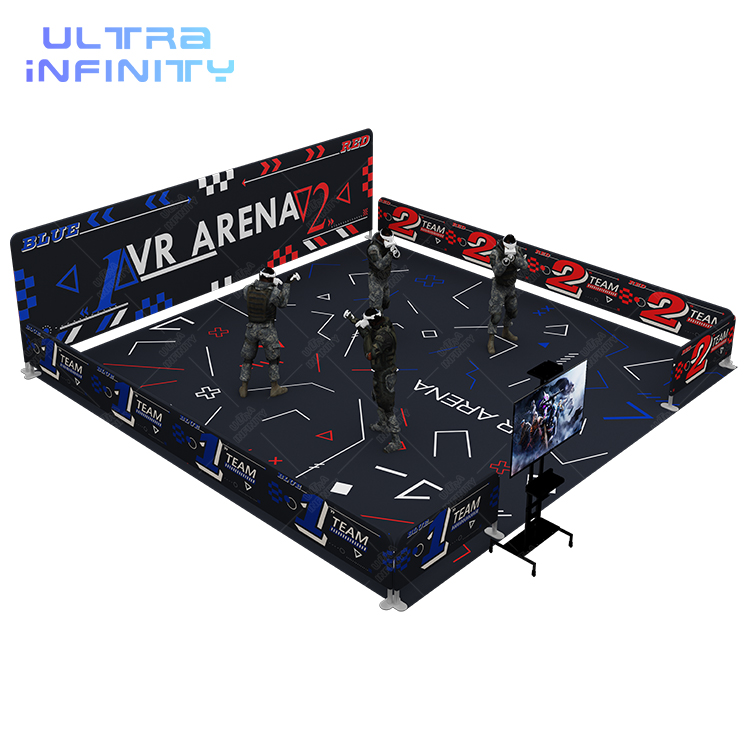
The 9D ride revenue runs on the rides per hour: the fixed ride cycle, the load time between the cycles and the queue length at the door decide how many paying riders the ride turns in the peak hour, and the gap between the theoretical capacity and the actual throughput is the money the venue leaves on the floor. The 9D VR 4-Seat Cinema Chair and the 360 Rotating VR Chair run the fixed cycles, and the queue management is the lever that closes the gap.
The loss points are the three waits: the ride-wait is the fixed cycle that cannot shrink, the load-wait is the time the seats sit empty between the cycles (the riders find the seat, the operator checks the harness, the session starts) and the queue-wait is the time the riders stand in line. The load-wait is the silent thief: the 4-seat ride with the 90-second cycle and the 60-second load time turns at 1.4 rides per 3 minutes, while the same ride with the 30-second load turns at 1.9, and the 30 seconds per cycle multiplied by the peak hours is the doubling the management can deliver.
| Throughput Math | Impact | Fix |
|---|---|---|
| Ride cycle | Fixed, cannot shrink | Choose the right ride |
| Load time | Empty seats between cycles | Staged loading cuts it |
| Queue time | Standing wait, line length | Pre-queue staging |
| Turnover | Rides per hour actual vs max | Rhythm + rotation |
| Peak hour | Revenue concentrated | Throughput wins the day |
The load rhythm is the heartbeat of the throughput: the fixed sequence of unload, load and run is timed to the second and repeated without the drift, and the rhythm turns the load-wait from the variable into the controlled. The rhythm standard for the 4-seat cinema: the 10-second unload, the 20-second load (the riders are pre-staged, so they seat in seconds), the 5-second harness check and the 60-second ride, running the 95-second cycle against the 90-second target.
The rhythm is managed by the roles, not the hope: the loader stages the next group while the ride runs, the operator checks the harness as the riders seat and the unloader clears the exit lane before the ride ends, so the load time overlaps the ride time instead of stacking after it. The rhythm board tracks the cycle times: the actual cycle is logged every 10 rides, the drift over the target is found and the cause (the slow group, the harness issue, the operator distraction) is fixed in the moment. The rhythm is the discipline the queue never sees, and it is the reason the line moves.
| Load Rhythm | Time | Role |
|---|---|---|
| Unload | 10 sec | Unloader clears the exit |
| Load | 20 sec | Loader seats the pre-staged group |
| Harness | 5 sec | Operator checks all seats |
| Ride | 60 sec | Ride runs the full cycle |
| Cycle total | 95 sec | Target 90 sec |
The pre-queue staging separates the standing line from the loading point: the riders wait in the holding zone, the group at the front moves to the load platform when the ride ends and the platform is always full when the unload clears. The staging kills the load-wait at the source: the rider walks the 5 steps from the holding zone instead of the 30 steps from the line, the group is pre-assembled (the party size, the seat assignment and the readiness are confirmed in the holding zone) and the load time drops from the minutes to the seconds.
The two-stage flow is the standard: the primary queue holds the general line, the staging zone holds the next group at the platform and the load point takes the group the moment the ride clears. The staging zone is sized to the ride: the 4-seat ride holds the one group of four in the staging zone, the twin rides hold the two groups and the zone is kept clear of the walkway so the flow never crosses. The staging also manages the special groups: the wheelchair riders, the nervous riders and the request groups are staged with the extra time, so the standard rhythm is not broken by the exception.
| Staging Flow | Role | Rule |
|---|---|---|
| Primary queue | General line, longest wait | One-way flow |
| Staging zone | Next group at the platform | Always one group full |
| Load point | Seats the staged group | Takes the group on clear |
| Exit lane | Clears the unloaded riders | Separate from the entry |
| Special groups | Wheelchair, nervous, requests | Staged with extra time |
The twin-ride rotation runs the two rides on the offset schedule: while the ride A runs its cycle, the ride B loads the next group, and the alternating rhythm keeps one ride loading while the other runs, so the load time of one ride is covered by the ride time of the other. The twin setup doubles the effective throughput against the single ride: the single 90-second cycle ride turns 40 rides an hour with the 50-second load, while the twin with the offset rhythm turns 80, and the second ride is the doubling the queue management delivers.
The rotation pattern is the offset loop: the ride A unloads while the ride B runs, the group stages at the ride A platform during the ride B cycle and the two rides alternate the load and the run without the shared gap. The twin rotation needs the shared staging zone and the single operator flow: the one loader serves both platforms from the staging zone, the one operator checks the harnesses on the alternating schedule and the unloaders clear both exits, so the twin doubles the throughput without the double staff. The rotation is scheduled per the demand: the twin runs at the peak hours and the single ride covers the quiet hours, because the extra ride is the peak-hour asset.
| Twin Rotation | Pattern | Effect |
|---|---|---|
| Offset schedule | A runs while B loads | Load covered by ride |
| Shared staging | Both platforms fed | One loader serves two |
| Alternating check | Harness on the flip | Operator covers both |
| Peak scheduling | Twin at peak, single off | Asset matches demand |
| Throughput | 2x vs the single ride | Doubles the peak hour |
Yes, the combination of the load rhythm, the pre-queue staging and the twin-ride rotation doubles the rides per hour: the load-wait is cut from the minutes to the seconds and the twin covers the load time with the ride time, turning the single-ride 40 per hour into the twin 80.
The 90-second target fits the 4-seat 9D cinema: the 10-second unload, the 20-second load, the 5-second harness check and the 60-second ride. The pre-staged group is what makes the 20-second load possible.
The two-stage flow separates the line from the platform: the primary queue holds the general line, the staging zone holds the next group at the platform and the load point takes the group the moment the ride clears. The walk shrinks to steps and the load time drops to seconds.
No, the twin rotation shares the staff: the one loader serves both platforms from the staging zone, the one operator checks the harnesses on the alternating schedule and the unloaders clear both exits. The twin doubles the throughput without the double crew.
The twin runs at the peak hours and the single ride covers the quiet hours, because the second ride is the peak-hour asset. The rotation is scheduled per the demand curve, and the peak windows get the doubled capacity.
The wheelchair riders, the nervous riders and the request groups are staged with the extra time in the staging zone, so the standard rhythm is not broken by the exception. The special staging keeps the flow smooth and the riders comfortable.
The 9D ride queue management doubles the revenue the ride can deliver: the load rhythm cuts the empty-seat time, the pre-queue staging feeds the platform without the gap, the twin-ride rotation covers the load with the ride time and the queue design keeps the line moving at the peak. The venue that manages the line runs the ride at its real capacity, and the doubled throughput is the money the queue was hiding.
The 9D VR 4-Seat Cinema Chair sets the rhythm standard, the 360 Rotating VR Chair runs the twin rotation and the Free Roaming VR Arena 2.0 applies the same load discipline. The next step is the kit: ask NextPlay for the load rhythm schedule, the queue flow plan and the rotation pattern for your 9D zone.
Ask NextPlay for the throughput kit: the load rhythm schedule, the queue flow plan and the rotation pattern for the 9D VR 4-Seat Cinema Chair, the 360 Rotating VR Chair and the Free Roaming VR Arena 2.0.