Here's the problem with most entertainment venues: everyone comes once, almost no one comes back. They try the games, take a photo, and never return. You spend thousands on marketing to replace the customers you just lost.
You look at arcades and think — they have flashy machines, they have variety, but half the seats are empty on a Tuesday night. Why? Because there's no reason to come back. No score to protect. No rival to beat. No league standing to maintain. It's a one-and-done experience, and that's a business model that bleeds money.
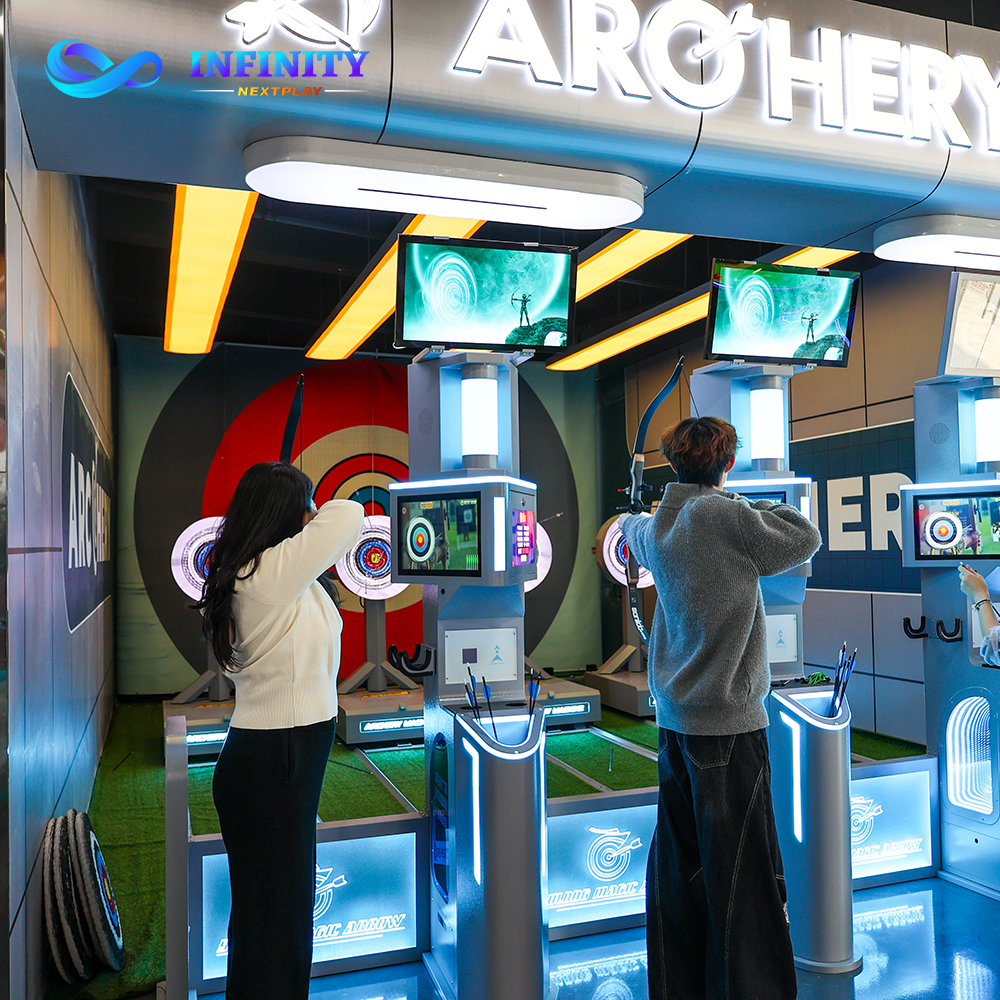
The venues that actually win are the ones that turn casual players into obsessed regulars. The guy who comes every Thursday because he's #2 on the dart leaderboard and he's gunning for #1. The team that books every other week because they're climbing the archery league. That's not foot traffic — that's a community.
I've seen what happens when you build for competition instead of casual play. The numbers don't just go up — they compound.
4 machines, 1 network, 3–5 days. No renovation, no special wiring, no lost tables.
8-week dart league on Wednesdays. Archery tournament on Fridays. The calendar fills itself.
Players bring friends. Friends become regulars. Regulars bring corporate parties. Revenue compounds.
Here's what most venue owners get wrong: they think the game is the product. It's not. The product is the feeling of being ranked, the tension of a close match, the pride of seeing your name on a screen that everyone walks past. The machine is just the delivery method.
When you put a leaderboard on a wall, something changes. The guy who scored 280 on the dart machine last week comes back to defend it. His friend shows up to knock him off. A third person joins just to prove they're better than both of them. That's three paying customers — not because of a drink special, but because of a number on a screen.
Leagues take this even further. An 8-week archery league means 8 weeks of guaranteed bookings on your slowest night. Players pay entry fees up front. They bring teammates. Teammates bring friends. The venue fills itself, and you didn't spend a dollar on ads.
And here's the part that matters most: competition creates stories. "Did you see that comeback in the semifinal?" "I finally beat Jake after three weeks." Stories get shared. Shares bring new players. New players create new stories. That's a flywheel, not a funnel.
An 8-week dart league means 8 weeks of guaranteed traffic on your deadest night. Players pay entry fees up front, bring teammates, and teammates bring friends. I've seen Wednesday night revenue go from dead silence to your busiest night of the week.
A digital leaderboard on your wall is a silent salesman. Every person who walks past checks their rank. Every person who's #2 wants to be #1. No marketing needed — the scoreboard does the work for you, 24/7.
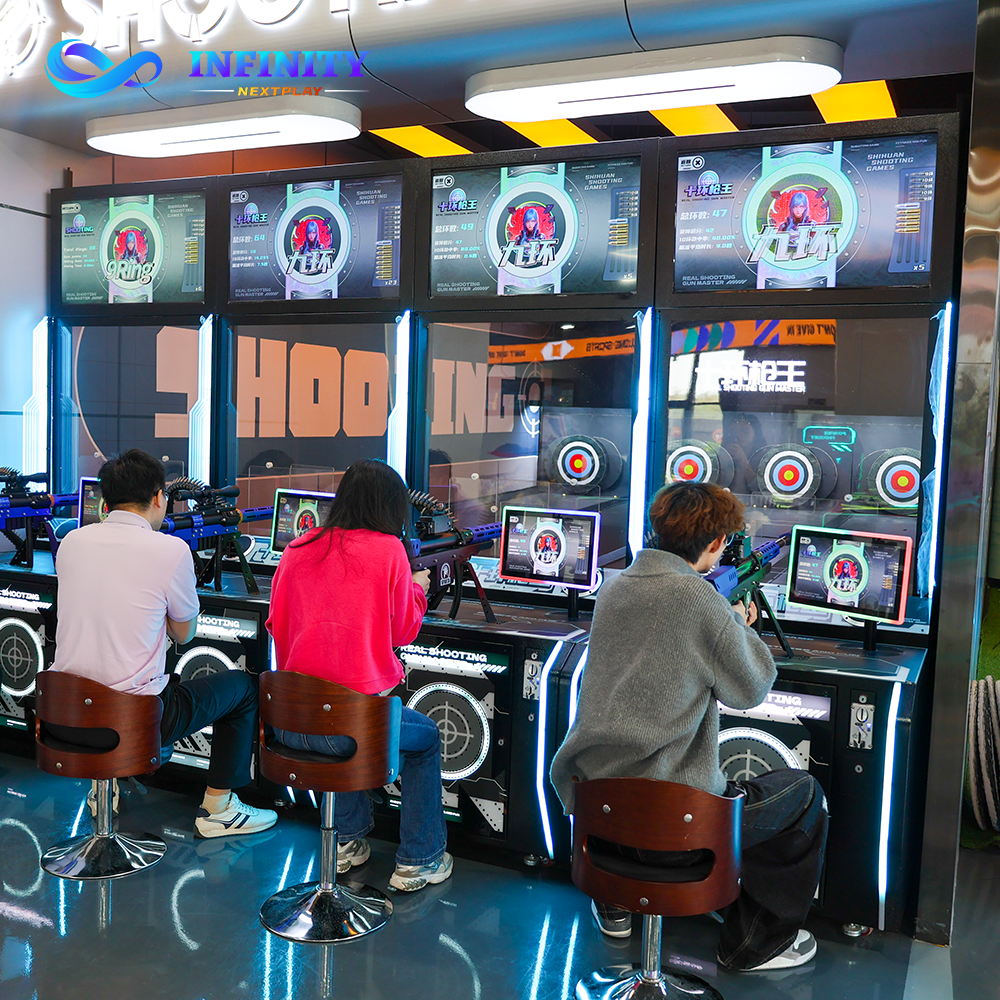
Companies want team-building that doesn't feel like a seminar. A multi-game tournament with archery, darts, and shooting? That's an easy sell. Larger groups, pre-paid bookings, higher tabs, and they'll book again next quarter.
People post their wins. They film their comebacks. They tag your venue in tournament highlights. Every share is a free ad. Add a "Player of the Month" wall and you've got a reason for people to check in every single week.
Every game auto-scores. Results push to the leaderboard instantly. No manual tracking, no paper sheets, no arguments about who won. Players trust the system — and trust means they come back.
Tournaments run themselves. Coin-op or card-reader — no one to manage the games. Your bartender serves drinks while the machines handle the competition. No extra payroll, no training, no headaches.
Entry fees, league memberships, corporate packages, "champion" merch — competition creates multiple ways to earn beyond the bar tab. The games pay for themselves, then some.
Start with 2 dart machines and an archery lane. Add shooting simulators later. Scale up for larger tournaments. No full renovation — just plug in the next game and update the leaderboard.
All machines connect to one scoring system. One leaderboard. One ecosystem. Players compete across every game — not just within it.
Electronic scoring · Online global play · Automated tournaments · Card-reader ready
View Product →Digital scoring · Adjustable distance · Multiple modes · Compact footprint
View Product →Real-time leaderboard · Multiple scenarios · Competitive scoring · Team modes
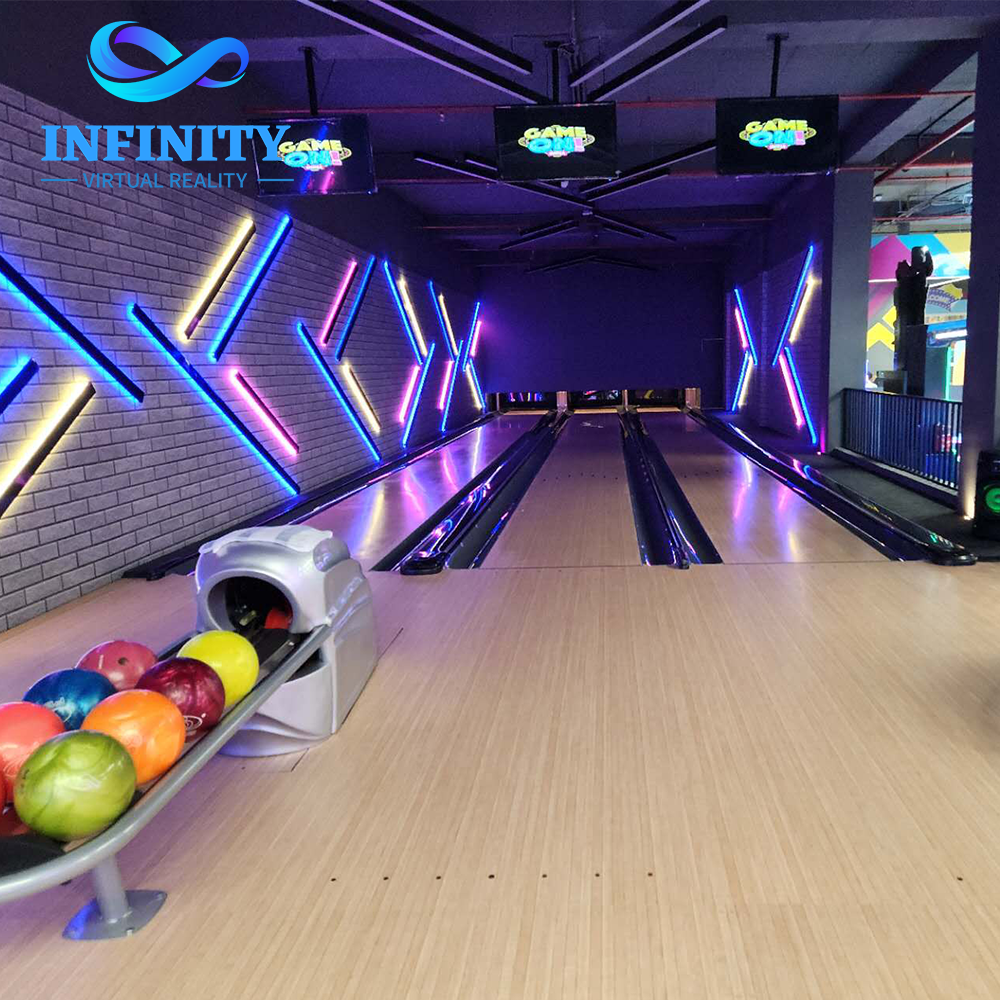
View Product →League-ready lanes · Space-saving design · Low maintenance · Tournament mode
View Product →No. All machines are self-service with electronic scoring. Your staff doesn't manage the games — they serve drinks. The machines handle scoring, tournaments, and leaderboards automatically.
Start with 2 dart machines and an archery lane — that fits in ~15 sqm. Add machines as revenue grows. The modular design means you never need a full renovation.
Most venues see increased dwell time within the first week. League revenue starts flowing once you launch your first 8-week season — typically month 2. The compounding effect kicks in around month 4–6.
Yes. Custom logos, venue branding, themed tournament names — all configurable. The leaderboard display can also double as a digital signage board when idle.
Minimal. Dart boards need occasional tip replacement. Bowling lanes need weekly cleaning. Everything else is plug-and-play. We provide 12-month warranty and lifetime remote support.
Tell me about your space — I'll send you a free layout and a price that makes sense.
Start Your ProjectPart of the Infinity NextPlay Solutions Series. Real equipment, real venues — built for players who keep score.